Reading settings
Colour
Text size
Spacing

Your choice is kept only in this browser. It is not a cookie and it is never sent to anyone.

A whole setting model, not a room philosophy

The Early Years Ecosystem

A complete way of running an early years setting: staff, parents, children, resources and food, not a single approach for one room. I built it in my own childminding setting, graded Outstanding by Ofsted in every area at both its inspections, and it grew with me into a full nursery and preschool with its own Ofsted registration. It is for nurseries, preschools, childminders, local authorities and practitioners.

Outstanding by Ofsted, twice
Built and run by its founder
Whole setting, not just the room
Postgraduate Certificate in Autism, Distinction
See how settings join See the evidence
Twicegraded Outstanding by Ofsted
2013written ethos in use since
6circles, one whole setting system
5.0Google rating for the consultancy
72children a day, open through the pandemic
A little creature in red wellies jumping in a muddy puddleChoose your way in

Pick the door that fits you

Each one is written for you, so you only read what you need: what it is for you, what it costs, and what happens next.

What it costs

Prices are published, so you know before you ask

Practitioner

£220 a year, or £22 a month. No joining fee.

Accredited setting

£795 joining and £470 a year. The Inclusive Early Years Fund, paid to settings from September 2026, must be spent on setting wide inclusion, which is what the Ecosystem is built for.

Group licence

10 per cent off each setting, for three or more. Area licences for local authorities are agreed on enquiry.

The first step is a free 15 minute call. We talk about what you already do well and whether this is the right fit. See everything that is included.

Book a free 15 minute call

Every child, every family

The little ones of the Ecosystem

Outdoors in all weathers, messy and creative, and calm when they need to be. Every body, every family and every way of moving, hearing, seeing and communicating is ordinary here.

Jumping in a muddy puddle
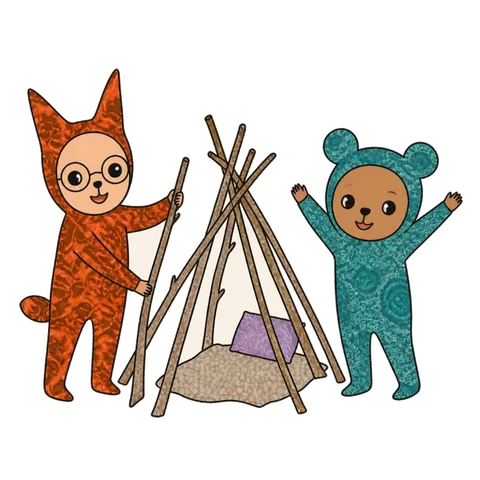
Building a stick den in the woods
Looking closely at a beetle
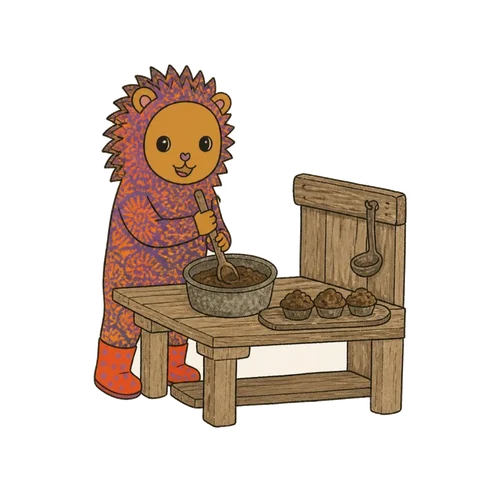
Cooking at the mud kitchen
Messy painting
Messy painting
Dancing with scarves
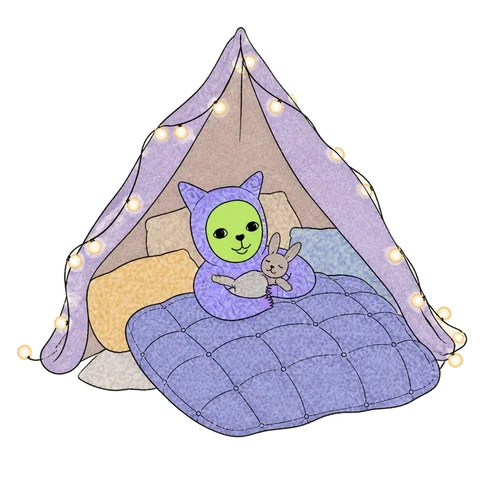
Resting in the quiet den
Watching the bubble tube
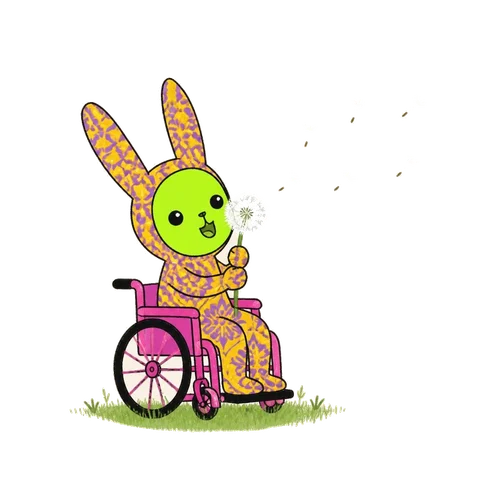
Blowing a dandelion clock from a wheelchair
Signing more
Signing more
Cuddled by two mums
Cuddled by two mums
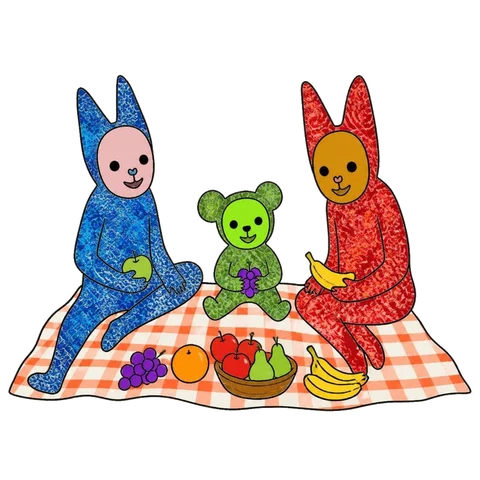
A picnic with two dads
Out with Mum in her hijab
Crawling to Dad in his turban
Planting with Grandad
On Dad’s shoulders
On Dad’s shoulders
Reading with Grandma
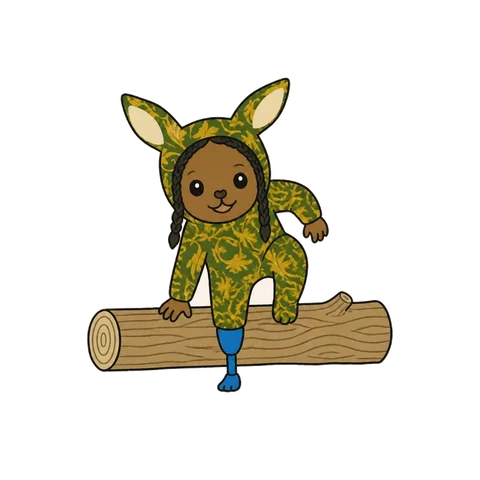
Climbing a log
Climbing a log
Every body, jumping together
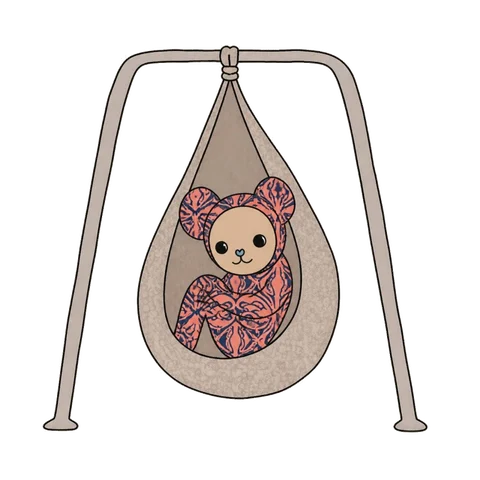
Safe in the cocoon swing

The setting as an ecosystem. Six habitats, one living system.

Every part of a setting behaves like a part of the natural world, and each one below is something you can buy, learn and be reviewed against. Together they are the whole model. On their own, each is a resource in its own right, pitched for early years here and for older children and young people through The Freedom Approach.

The Early Years EcosystemThe child at the centre, surrounded by six connected habitats: the forest for environment and pedagogy, the desert for staff, the grassland for children, the sea for parents and carers, the tundra for food, and the river for resources and finance. Around all of them sits the climate, the shared values and principles, and running through them are the paths, the policies and procedures.The climate: shared values and principlesthe weather every habitat lives underThe paths: policy and procedurethe safe, marked routes through every habitatThe forestEnvironment andpedagogyThe desertStaffThe grasslandChildrenThe seaParents andcarersThe tundraFoodThe riverResources andfinanceThe childat the centre
Six habitats, one living system, with the child at the centre. Shared values and principles are the climate over all of it, and policy and procedure are the paths through it.
The climate and the paths: our values and policies

The climate: shared values and principles. A written, dated ethos in continuous use since 2013, grounded in children's rights, equity and neuro-affirming practice. Every habitat lives under the same weather, so a value held in the staff room is the same value a child meets at lunch.

The paths: policy and procedure. The safe, marked routes through every habitat, so everyone knows the way, especially when things are hard. The whole setting audit reads your values statement, policies and procedures against the six habitats and the current early years framework, and the implementation plan brings them into one line, rather than six separate policies on a shelf. Every accredited setting then learns its policies as a short course with quick checks, and reviews them every quarter with everyone. How the policies work.

A little creature looking closely at a beetle through a magnifying glass

01 · The forest

Environment and pedagogy

The canopy shapes the light everything grows in. In the moment planning, a holistic curriculum, forest school and outdoor learning every week, run in practice for over a decade, including weekly forest school in a public park from 2013.

What you get: the environment audit, the outdoor learning framework, and Forest School led practice from a Level 3 Forest School leader.

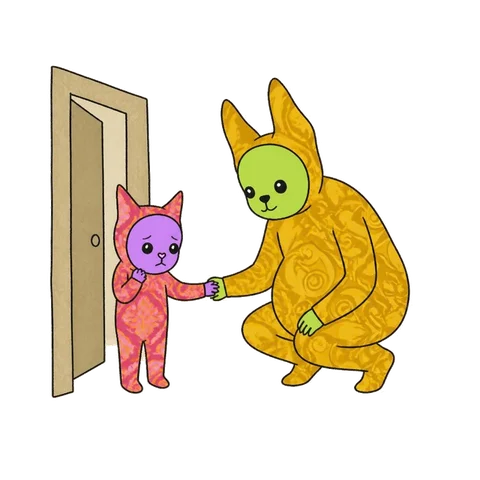
A key person crouching to comfort a little one at the door

02 · The desert

Staff

The plants that survive here have the deepest roots. Recruitment, supervision, three hundred and sixty degree feedback, CPD, permanent contracts and a real living wage, as a values position rather than an afterthought. Nothing above ground survives without this.

What you get: the staff wellbeing structure, the apprenticeship model, with apprentices mentored alongside the local college, and the whole team training that counts towards CPD.

Three little ones of different body shapes holding hands and jumping

03 · The grassland

Children

The growth point, where the whole system's purpose flowers. Personal, social and emotional development as the key that unlocks every other area of learning, early identification and SEND support on the graduated approach, led by a former early years SENCO with a Distinction level postgraduate qualification in autism.

What you get: MeMap for every child, the Neurodictionary for every adult, and the Holistic Individual Learning Plan where a child needs more.

Two mums cuddling their little one

04 · The sea

Parents and carers

The water table reaches every part of the system without being seen moving. Genuine partnership, daily circular communication, and a parent and carer course built to feel like a village rather than a lecture.

What you get: the parent partnership method, the parent and carer course first piloted in 2016, and the communication pattern that keeps families inside the loop.

A little creature eating lunch at a small table

05 · The tundra

Food

A thin living layer that everything else depends on. Mealtimes as connection and learning, growing, cooking and sharing food together, not nutrition ticked off a form. Food for Life Early Years from the Soil Association, December 2016, then invited to judge its awards. Signed up to Sugar Smart at its local launch in 2017.

What you get: the food and mealtime framework, the menu and growing plan, and the route to Food for Life for your own setting.

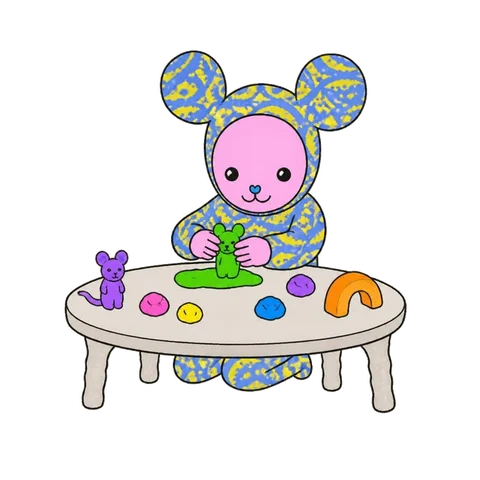
A little creature shaping playdough at a table

06 · The river

Resources and finance

The river carries what every other part needs to where it is needed. Budgeting, ratios and sustainable running, so the model survives contact with a real budget. It ran a four room setting with around thirty staff and up to seventy two children a day, and stayed open through the pandemic as keyworker provision.

What you get: the budgeting and ratio model, the funding map including the Inclusive Early Years Fund, and the sustainability review at accreditation.

Practitioner membership £220 a year or £22 a month. Accredited setting £795 joining and £470 a year. Group licence 10 per cent off each setting, for three or more. Everything that is included, and the evidence behind each habitat. Habitat illustrations made for this site.

Read more

Take a closer look at the six connected circles, why it works and the evidence, or go straight to how settings join.

Yasmin A Darling, a woman with dark curly hair, smiling, photographed among green leaves

Yasmin A Darling

Equitable education, neuroinclusion and SEND consultant. A mixed race, disabled and neurodivergent woman, 31 years with children, young people and families.

The Early Years Ecosystem is my model. I built it inside the settings I ran for more than a decade: my childminding setting, graded Outstanding in every area at both its Ofsted inspections, and the nursery and preschool it grew into. I wrote it up afterwards. I am the person you will work with.

  • Twice Outstanding by Ofsted
  • Winner, Purple Pioneer, Scope Disability Equality Awards 2026
  • Nursery World Newcomer of the Year 2014
  • PGDip Merit, PGCert Distinction
  • Working with children and young people since 1995
Yasmin's full record, dated and evidenced

In other people's words

Yasmin A Darling Consultancy is rated 5.0 on Google. Every quotation is reproduced exactly as written, with the writer's full name.

Maisie has a warm, friendly and caring approach, and offers a setting that is supportive to children and families. She is an excellent communicator with a real ability and passion for supporting children's emotional needs.

Hilary Wilgress, Childminding Network Co-ordinator, 2015

The judgement of outstanding means that you are exceptional and significant elements of your work are exemplary.

Sir Michael Wilshaw, Her Majesty's Chief Inspector, Ofsted, with the Outstanding certificates

With two 'Outstanding' ratings from Ofsted under her belt, Maisie has clearly demonstrated that she is an effective early years practitioner. But what makes Maisie stand out is her desire to share her ideas and expertise with others in an effort to raise standards in the sector and ultimately improve the wellbeing of children.

Victoria Flint, Director of Communications, PACEY, 12 May 2016

The record behind the work

Every line here has a certificate, a letter or a published report behind it, held on file and produced on request.

See the full record
Twice graded Outstanding by Ofsted
Outstanding in all areas at both inspections, 5 July 2013 and 25 March 2014, as a registered early years provider. Certificates for 2012 to 2013 and 2013 to 2014, signed by Her Majesty's Chief Inspector, in my birth name, May Angelica Collin.
Winner, Purple Pioneer, Scope Disability Equality Awards 2026
Presented at the Kia Oval on 30 April 2026, and confirmed in writing by Scope's Interim Chief Executive. Scope recognised my work making education accessible for young people unable to attend school.
Nursery World Awards
Joint winner, Newcomer of the Year 2014, as Maisie Collin. Finalist, Childminder of the Year, 2015 and again in 2016.
Recognised in early years
Outstanding Contribution to Childminding, local authority certificates, July 2015 and February 2016. Food for Life Early Years, Soil Association, December 2016, then invited to judge the Soil Association's awards. Accredited Living Wage Employer, June 2016.
Postgraduate study
Postgraduate Diploma in Psychoanalytic Observational Studies, Merit, University of East London, taught at the Tavistock and Portman, 2016. Now in further training there: in training, not qualified, and not a therapist, counsellor, psychologist or social worker. Postgraduate Certificate in Autism, Distinction, Sheffield Hallam University, 2025. BA Honours, English and Theatre Studies, University of North London, 2003.
Qualifications and training
Level 3 Diploma for the Children and Young People's Workforce, Pearson Edexcel, 2014. Level 3 Forest School Programme Leadership, 2016. PRINCE2 Foundation, 2011. Training the Trainers for Total Respect, Children's Rights Officers and Advocates, 2007. Designated Safeguarding Lead training for children at Level 3, Online Safety and Harms, and the Home Office Prevent awareness, Prevent referrals, and Channel or Prevent Multi-Agency Panel courses, October 2026. Registered LAMDA Head of Centre.
31 years on the front line
Residential care, children's rights and advocacy, youth offending, early years, SEND and neurodivergence, since 1995. Former early years SENCO. Ran a keyworker setting through the pandemic with around thirty staff and up to seventy two children a day.
A national youth consultation
Youth Intelligence, the youth consultation on gun and knife crime I originated at NCH (now Action for Children) in 2007, which was then widened UK wide.
Speaking and media
Westminster Briefing, 2016. Royal College of General Practitioners and Addiction Professionals conference, 2023. Commissioned webinars and articles for Famly, 2022. Key contributor to a Channel 4 online documentary, 2017. Filmed by PACEY as a showcase setting.
Service
Trustee, Children's Rights Officers and Advocates, 2006 to 2007. Founding trustee, Each One Teach One Trust, 2012 to 2013.
Founder
Founder of a national autism support group, which grew to over 350 members. Founder and director of Neuroverse Community CIC, a finalist for the Mighty Roots Award at The National Arts and Cultural Education Awards 2026. Head of my own registered LAMDA examinations centre, set up in 2026 for disabled and neurodivergent candidates.
Checked and insured
Enhanced DBS check with the children's barred list, August 2026. Professional indemnity insurance (£2,000,000) and public and products liability insurance (£5,000,000) with Hiscox. Registered with the Information Commissioner's Office, ZB907948. Every line here has a certificate, a letter or a report behind it.


Latest writing

from isolation to innovation

My Substack is where I write about the things I notice: the families who are not at the school gate, the children the system stops seeing, and the spaces I have spent thirty one years creating and curating for us all. You are on The Early Years Ecosystem site. Each new piece lands here as soon as it is published.